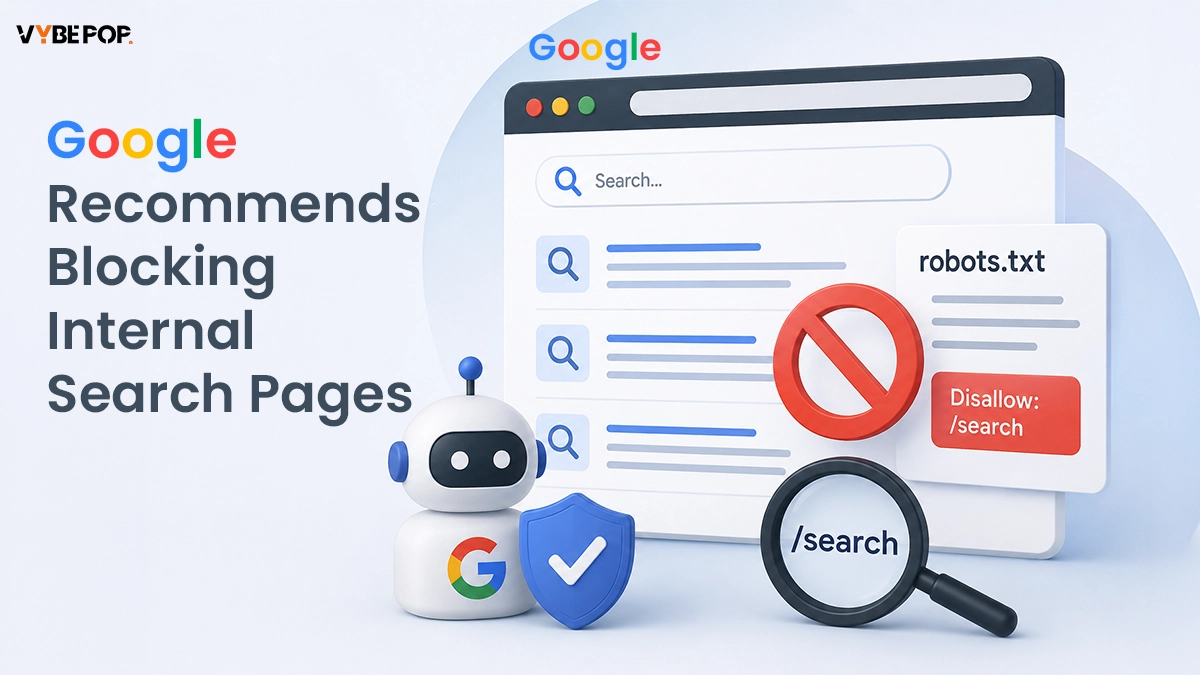
Google has clarified that blocking internal search result pages is no longer a requirement under its Search Essentials. However, the company still strongly recommends preventing these pages from being crawled and indexed because they can create technical and quality issues.
According to Google's John Mueller, allowing search engines to crawl internal search pages can waste crawl budget, increase server load, and sometimes create an "infinite crawl space" where search bots keep discovering new URLs.
Google also warned that these pages can become a target for spam. If someone uses your website's search box to generate pages containing irrelevant spammy adult, casino, or pharmaceutical terms, and those pages are indexable, they'll get indexed and might turn up in Google Search Console. In worst cases, Google may consider it a hacked website.
To avoid these issues, Google recommends:
- Block internal search result pages from crawling using robots.txt.
- Prevent those pages from being indexed if they are accessible.
- Regularly monitor Google Search Console for unusual indexing or hacked content warnings.
While indexing internal search pages is no longer considered a direct policy violation, Google says blocking them remains the best practice for maintaining site quality, protecting crawl budget, and preventing search spam. To stay updated, get in touch with Vybepop Media.