Analytics experts recommend building a measurement framework before setting up Google Analytics 4. A structured approach helps businesses track meaningful metrics, align data with business objectives, and make better decisions based on insights.

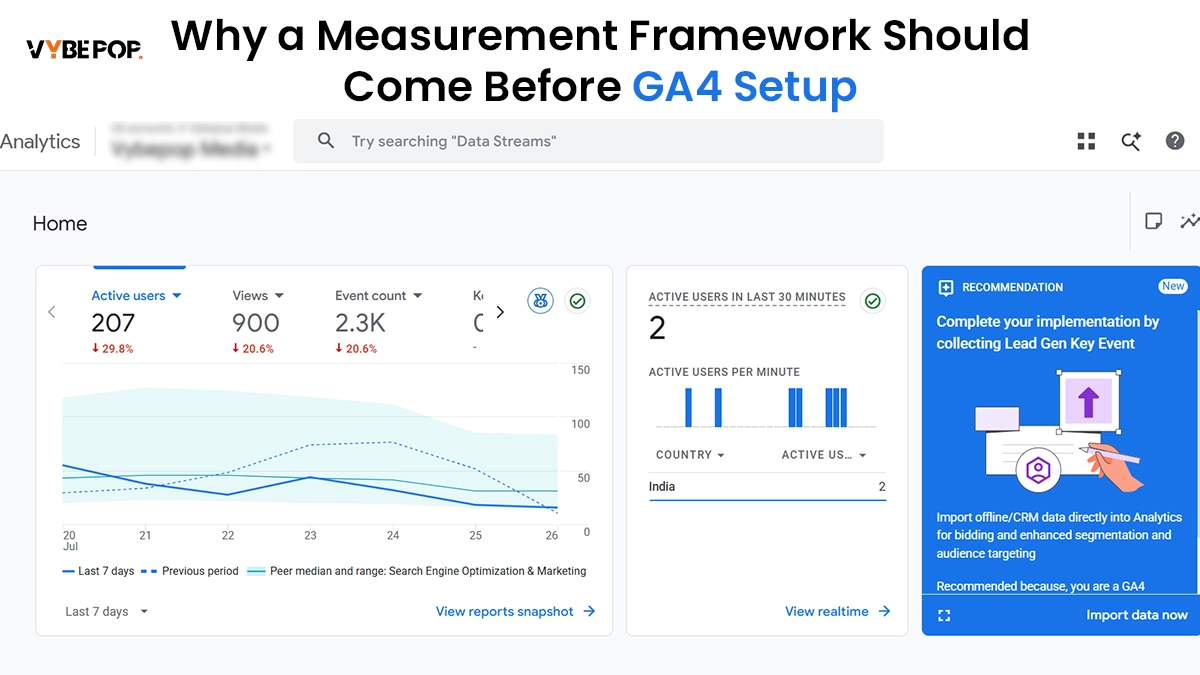
Analytics experts recommend building a measurement framework before setting up Google Analytics 4. A structured approach helps businesses track meaningful metrics, align data with business objectives, and make better decisions based on insights.
Many businesses begin a Google Analytics 4 (GA4) implementation by creating events, dashboards & reports. However, analytics experts believe this approach often leads to large amounts of data with little business value. Instead, they recommend building a measurement framework first to ensure every metric supports a clear business objective.
A structured framework helps organizations decide what to measure, why it matters, & how the collected data will drive future decisions.
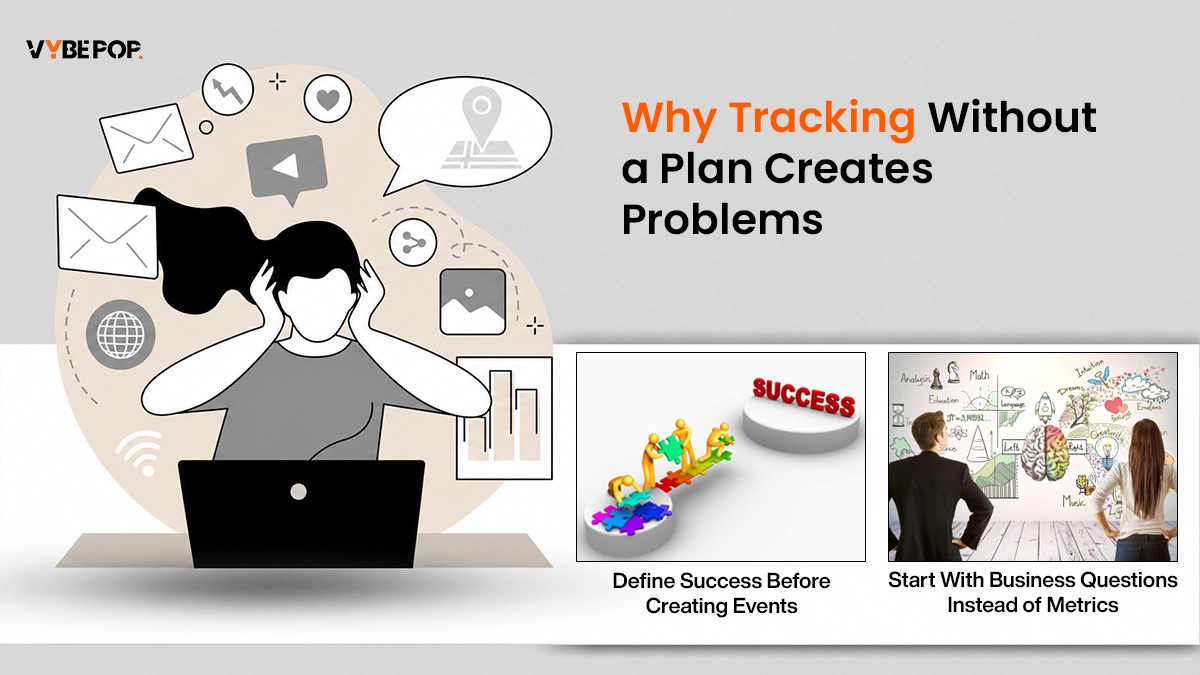
GA4 collects user data about thousands of interactions with the product. But just collecting data is not a ticket to good insights. If you collect the data without understanding what you want to achieve, you might be monitoring the metrics that never really drive strategy or change performance.
A measurement framework gives analytics a purpose before implementation begins. Rather than asking, "What can GA4 track?" businesses should ask, "What decisions do we want our data to support?"
The first step is identifying what success actually looks like. Every organization has different priorities, whether that's increasing qualified leads, improving ecommerce sales, boosting subscriptions, or growing returning visitors.
Once success is clearly defined, it becomes easier to determine which events & conversions should be tracked in GA4.
Experts suggest listing the questions stakeholders want answered before opening GA4.
These questions may include:
Building tracking around these questions ensures reports deliver actionable insights rather than unnecessary numbers.
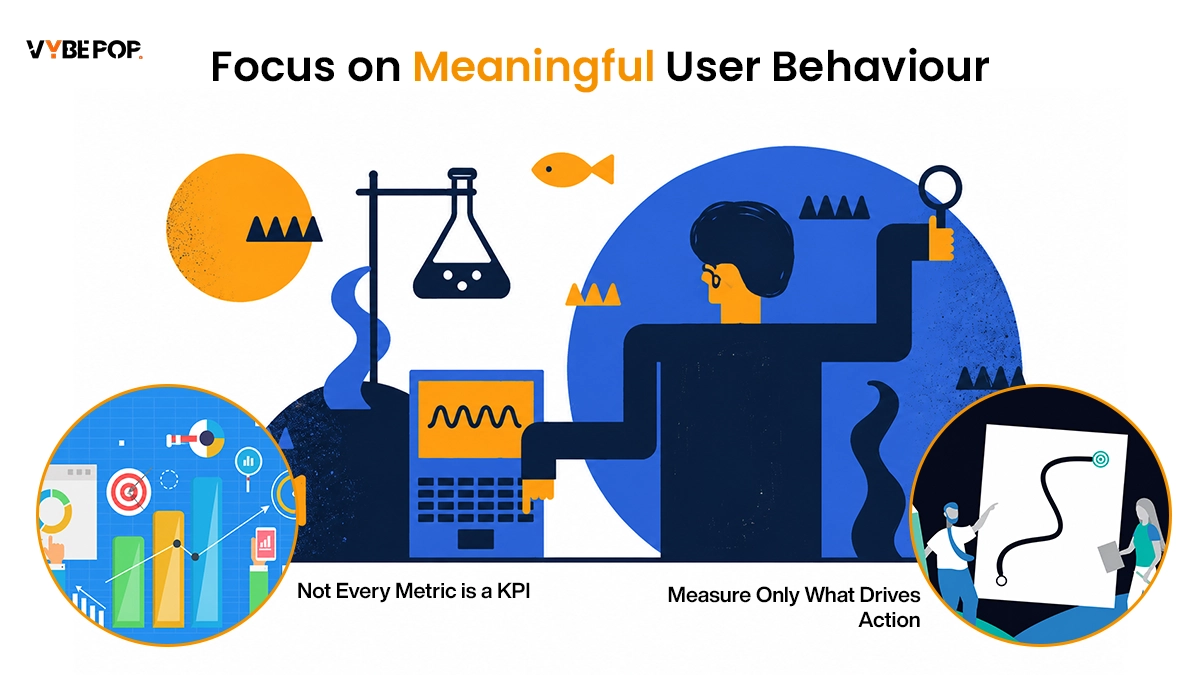
A good measurement framework connects user actions with business outcomes. Instead of measuring everything, businesses should focus on behaviors that indicate progress toward important goals.
For example, if visitors abandon an enquiry form, businesses can examine whether users reached the call-to-action, encountered issues on mobile devices, or exited from a particular landing page. These behavioural insights help identify where improvements are needed.
Probably, the most common mistake when it comes to analytics is the belief that every single tracked user action has to matter the same.
Revenue, product purchases, subscriptions & qualified leads are business results that you should keep as your core metrics. Other measures like clicks for the call to action, scroll depth, engagement, or abandonment at the stage of fill form can help you understand performance, but should never be taken as a definition of performance.
This layered approach keeps reports focused on what matters most while still providing enough detail for deeper analysis.
More tracking does not always produce better analytics.
Every additional event requires implementation, testing, maintenance & reporting. If a metric is unlikely to influence a future business decision, it may not deserve a place in the measurement plan.
A simpler framework often produces cleaner reports & makes analytics easier for teams to use.
Google Analytics 4 is a powerful analytic platform, but if it becomes the business's only source of truth, it might be problematic. Ecommerce platforms, CRM systems & sales tools might provide better info for purchases, revenue & lead quality. Once the measurement infrastructure is complete, the GA 4 configuration will take over & will gather only those data that match the business goals.
Having fewer distractions in the analytics world can really benefit people working on it. By focusing on analytics, not only will reporting be of a higher quality but it will also help organizations make decisions based on relevant insights instead of being bogged down by a large amount of data that is irrelevant to them. To stay updated, get in touch with Vybepop Media.
A measurement framework is a plan that defines what data to track based on specific business goals.
It ensures analytics focuses on meaningful business outcomes instead of collecting unnecessary data.
Businesses should identify their goals, key questions, and the user actions they want to measure.
No. GA4 works best alongside CRM, ecommerce, and sales platforms for a complete view of performance.
It helps businesses collect relevant data that supports better analysis, reporting, and strategic decisions.