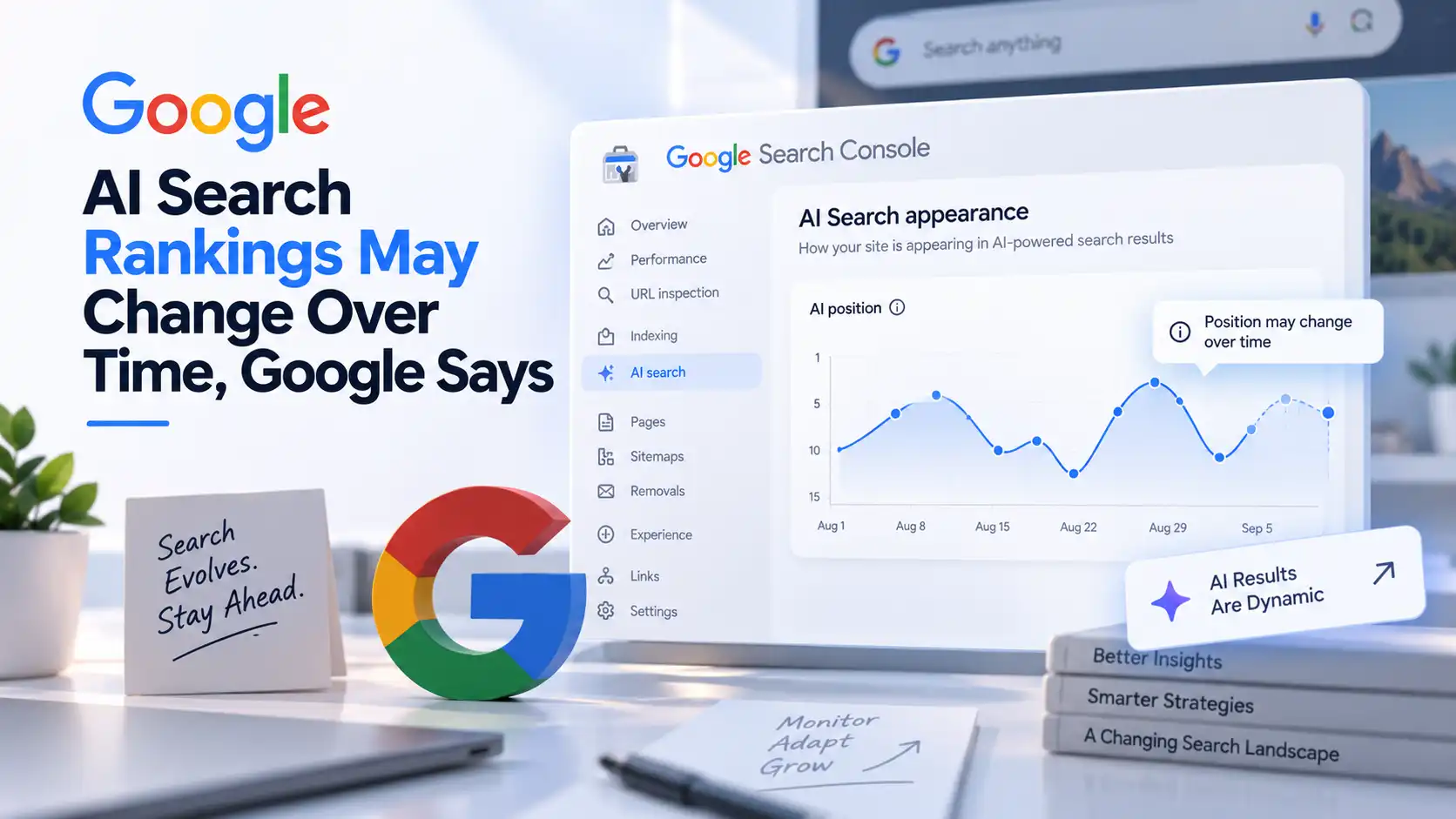
A new analysis suggests schema markup can do more than generate rich results. By combining schema with vector embeddings, businesses can identify AI search entity gaps and improve how search engines and AI models understand their websites.

A new analysis suggests schema markup can do more than generate rich results. By combining schema with vector embeddings, businesses can identify AI search entity gaps and improve how search engines and AI models understand their websites.
Schema markup is no longer just about earning rich results in Google Search. According to a new analysis, it can also help businesses understand how AI systems interpret their websites by identifying missing entities and improving knowledge graphs.
The idea is to use schema markup alongside vector embeddings to evaluate whether a website provides enough context for search engines and AI models to understand its products, services, and brand.
Schema markup is used for representing and defining various entities like organization/person/product/place. It also reveals the interconnectivity between those entities. This kind of semantic description not only brings the context to entities but also tells how they relate to each other.
The analysis explains that websites should be viewed as a network of connected entities rather than individual pages. By creating stronger links between important business information, companies can improve the semantic understanding of their content.
The approach combines schema markup with vector embeddings to identify "entity gaps"—important topics or relationships that are missing from a website. These gaps can then guide future content creation across websites, social media, and other digital channels.
In one example, a custom schema framework developed for university programs used more than 80 entities, including both existing Schema.org properties and custom entities, to measure how well a website covered key concepts.
The analysis also highlights an ongoing debate around schema's role in AI search. While Microsoft has previously confirmed that Copilot uses schema to understand content, some recent studies suggest schema alone does not directly improve AI citations or visibility.
Rather than treating schema as a shortcut for appearing in AI-generated answers, the report argues that its real value lies in helping search engines and AI models better understand a website's entities and relationships. Better understanding can ultimately support stronger visibility over time.
The recommendation is for businesses to create an ideal entity model, identify missing entities, and track how AI platforms interpret their brand. Measuring entity coverage, AI visibility, brand sentiment, and business performance together can provide a clearer picture of how well a website is understood by modern search systems.
To stay updated, get in touch with Vybepop Media.